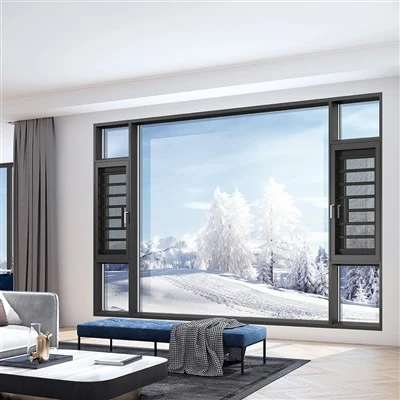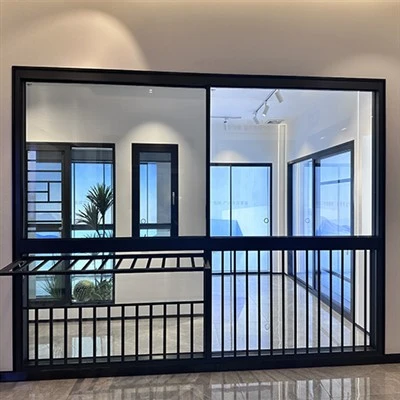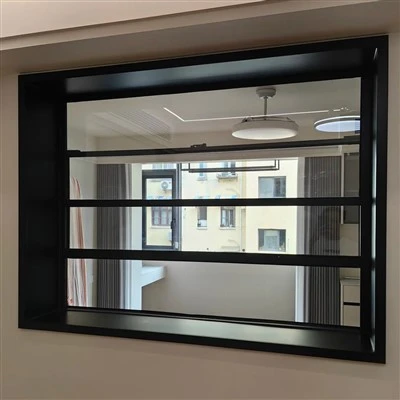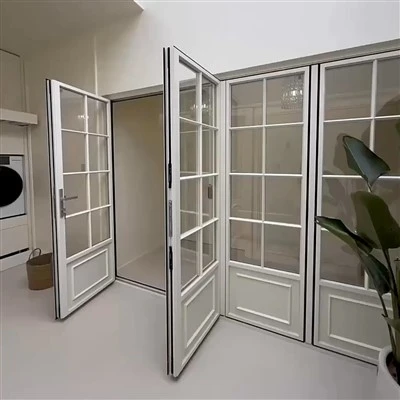





Material Fundamentals
The core of an aluminum alloy window lies in its alloy composition; much like a bartender mixing a cocktail, varying metal ratios yield vastly different results:
6063-T5: The most common aluminum grade for doors and windows, offering a good balance of strength and corrosion resistance.
6061-T6: Higher strength, making it suitable for large-format window frames.
Thermal-break aluminum: Features an integrated thermal insulation strip, significantly enhancing thermal performance.
Surface Treatment: The Secret Weapon
The "finish" of an aluminum alloy window determines both its aesthetic appeal and its durability:
Anodizing: Creates a dense oxide layer that improves weather resistance.
Powder coating: Offers a wide range of colors and strong UV resistance.
Electrophoretic coating: Provides a uniform finish with excellent adhesion.
Wood-grain transfer: Mimics the look of solid wood, combining aesthetics with practicality.
Material Impact on Performance
Choosing the right aluminum window material is like selecting the right pair of sports shoes:
Coastal regions: Prioritize alloys resistant to salt-spray corrosion.
Cold northern regions: Thermal-break aluminum is the top choice for thermal insulation.
High-rise buildings: Require high-strength alloys to ensure safety.
Noise-sensitive areas: Pairing with insulated glass (double glazing) yields superior results.