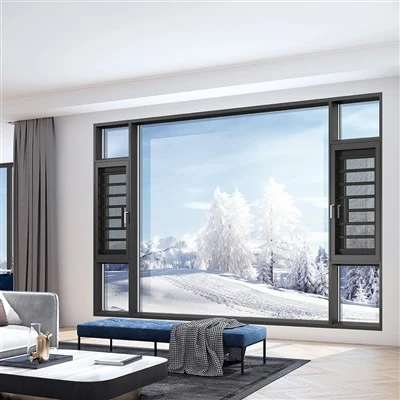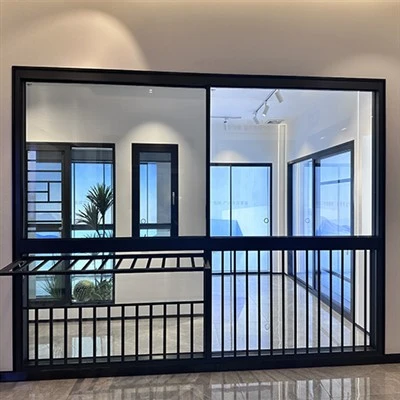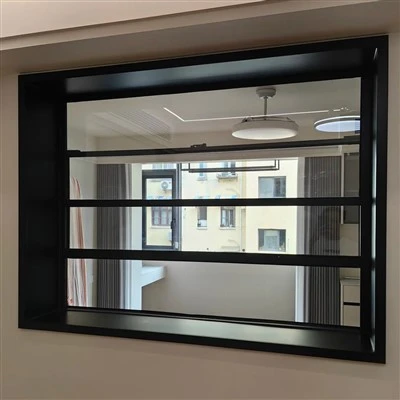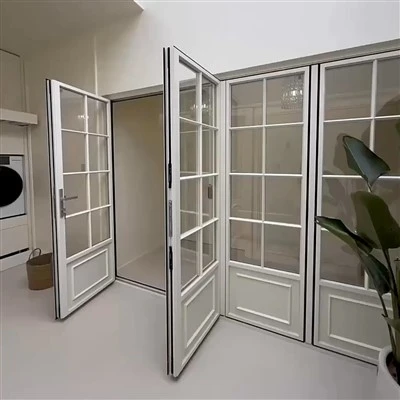



Based on the opening mechanism, there are primarily two types:
* **Inward-opening windows:** The sash opens toward the interior. Advantages include ease of cleaning the exterior glass and high safety, as the window is unlikely to fall due to wind or insecure installation. Disadvantages include the consumption of interior space when open, which may interfere with curtains, ceiling fixtures, or furniture placed near the window.
* **Outward-opening windows:** The sash opens toward the exterior. Advantages include saving interior space and more direct airflow for ventilation. Disadvantages include difficulty cleaning the exterior glass-often requiring professional service-and the need for hardware with exceptional wind-pressure resistance and safety ratings for high-rise buildings; consequently, their use is restricted in some regions due to safety concerns.
There are also derivative types, such as **tilt-and-turn windows**, which add an inward-tilting (bottom-hung) function to the standard inward-opening mechanism. In this mode, the window opens only a narrow gap, allowing for air circulation while preventing direct drafts and offering enhanced safety and dust protection.