


Categorized by Opening Mechanism
Aluminum alloy casement windows are like dancing sprites, performing different "moves" based on the position of their pivot axis:
Outward-opening: The sash pushes outward; ideal for small spaces and offers excellent rain resistance.
Inward-opening: The sash opens inward; easy to clean but requires clearance space inside the room.
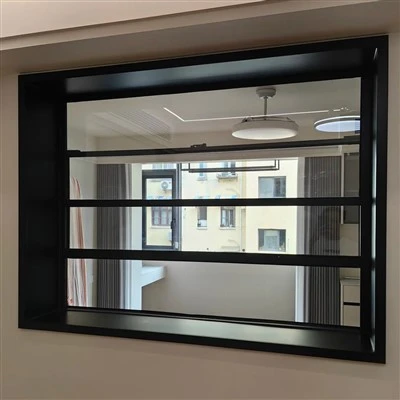
Tilt-in (Hopper-style): The top of the sash tilts inward; a safe choice that allows for ventilation while keeping rain out.
Top-hung (Awning-style): The bottom of the sash swings outward; provides gentle ventilation without direct drafts hitting the face.
Categorized by Frame Thickness
Frame thickness determines the structural integrity of the entire window; common specifications include:
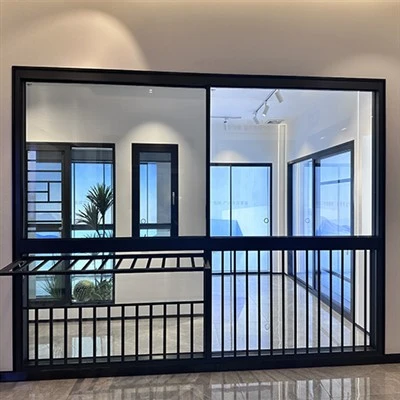
55 Series: 55mm frame thickness; suitable for standard residential balcony partitions.
60 Series: Enhanced sealing performance; suitable for high-rise buildings requiring wind-load resistance.
70 Series: Features a multi-chamber structure; an excellent choice for thermal insulation in northern regions.
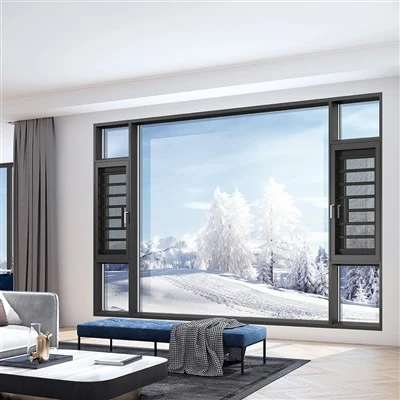
80 Series: Extra-wide profile design; meets the needs of oversized floor-to-ceiling windows.
Specialty Models
Modern casement windows have also adopted "Transformer-like" capabilities:
Integrated screen: Built-in invisible mesh; keeps mosquitoes out without obstructing the view.
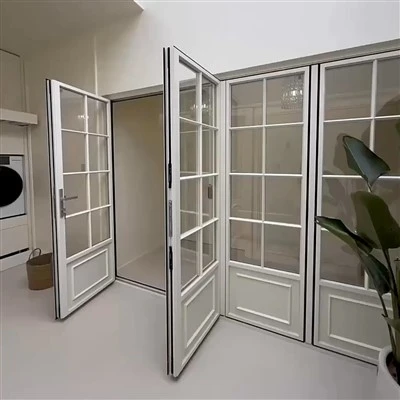
Folding casement: Multiple sashes open in unison; achieves a massive 90% open area for ventilation.
Smart sensor models: Automatically close during wind or rain; no need to rush home when a storm hits.
Narrow-frame models: Minimalist design maximizes the glass viewing area.