





Basic Definition
English Name: Aluminum windows
Development History
In the late 1980s, aluminum alloy windows-made primarily from aluminum alloy profiles-emerged. While they addressed certain shortcomings of steel windows, the profiles themselves were metallic and highly conductive to heat and cold. Consequently, the overall K-value (thermal transmittance) for both steel and aluminum alloy windows exceeded 6.0 W/(m²·K), failing to fundamentally resolve issues regarding sealing and thermal insulation; even when fitted with insulating glass units (double glazing), the overall K-value could only reach approximately 4.5 W/(m²·K).
By the mid-to-late 1990s, "thermal break" (or "bridge-cut") aluminum alloy windows appeared on the market, representing a premium product category at the time. These profiles featured a high-strength, insulating synthetic material at their core and utilized advanced surface treatment technologies such as powder coating, fluorocarbon coating, and resin thermal printing, allowing for a vast array of color combinations.
The outstanding advantages of thermal break aluminum alloy windows include light weight, high strength, excellent water and air tightness, superior fire resistance, large glazing areas, resistance to atmospheric corrosion, long service life, attractive aesthetics, and good environmental performance.
However, as living standards have risen, there is an increasing emphasis on health, environmental protection, and energy conservation. Thermal break aluminum alloy windows and PVC-U (plastic-steel) windows often fail to harmonize with interior décor or satisfy modern aesthetic tastes, nor do they align with the prevailing national trend toward energy efficiency.
Aluminum Alloy Window Product Introduction
Popular Products
-
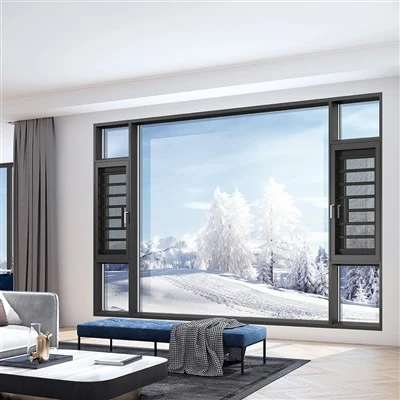
![Inward Casement Window]() Inward Casement WindowNamed Inward Casement Window, it is multi-cavity thermal break aluminum window with inward opening and tilt-turn...read more
Inward Casement WindowNamed Inward Casement Window, it is multi-cavity thermal break aluminum window with inward opening and tilt-turn...read more -
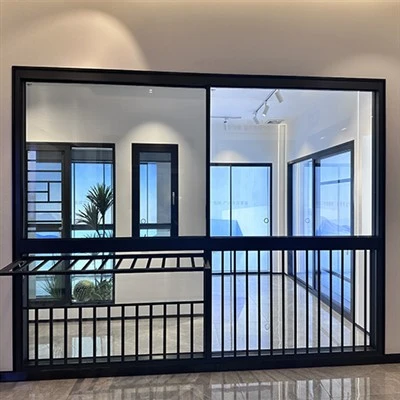
![Slim Frame Sliding Window]() Slim Frame Sliding WindowNamed High strength sliding Window, it is 105 standard thermal break side-pressure sliding window. Adopted lateral...read more
Slim Frame Sliding WindowNamed High strength sliding Window, it is 105 standard thermal break side-pressure sliding window. Adopted lateral...read more -
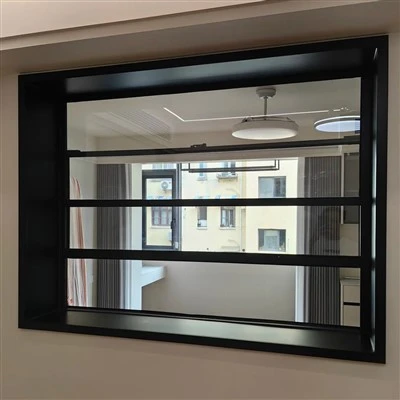
![Vertical Lift Window]() Vertical Lift WindowNamed Vertical Lift Window, it is 83 standard thermal break vertical lift aluminium window. Built-in balance...read more
Vertical Lift WindowNamed Vertical Lift Window, it is 83 standard thermal break vertical lift aluminium window. Built-in balance...read more -
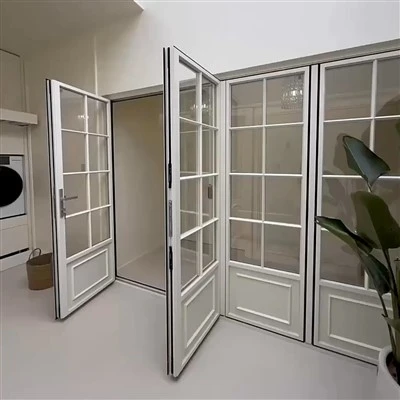
![French Vintage Aluminium Door]() French Vintage Aluminium DoorThis French Vintage Aluminium Door restores classic old iron steel door texture with 130 thick thermal break frame....read more
French Vintage Aluminium DoorThis French Vintage Aluminium Door restores classic old iron steel door texture with 130 thick thermal break frame....read more
Send Inquiry