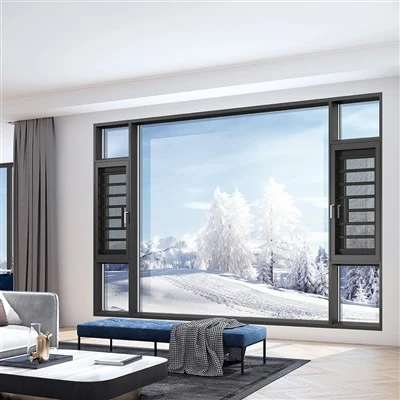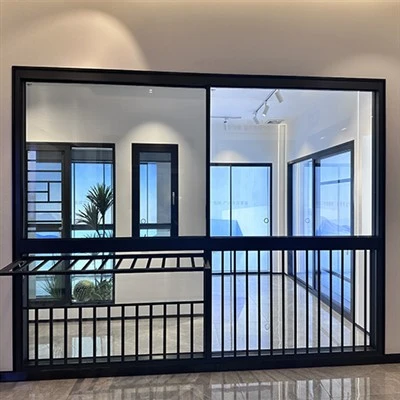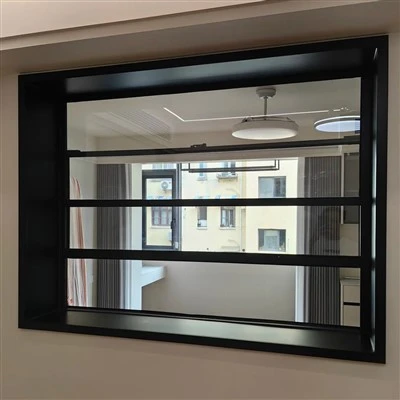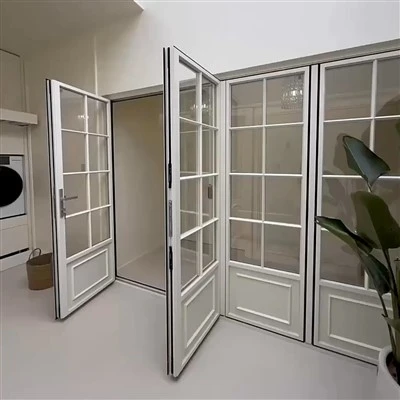


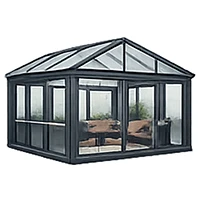



The structure of an aluminum alloy window primarily consists of a frame and a sash made from aluminum alloy profiles. Below is a detailed explanation of the structure:
Basic Components
Frame: The frame is precision-machined from aluminum alloy profiles; it forms the window's structural skeleton, providing support and stability.
Sash: The sash is the operable part of the window (capable of opening and closing). It is typically constructed from a combination of aluminum alloy profiles and glass, serving to regulate indoor ventilation and natural lighting
Types and Classifications
Standard Aluminum Alloy Windows: These feature a relatively simple structure composed mainly of aluminum alloy profiles and glass, suitable for general architectural and residential needs.
Thermal-Break Aluminum Alloy Windows: These utilize "thermal-break" technology, incorporating a low-thermal-conductivity insulation strip between the aluminum alloy profiles to effectively enhance thermal insulation performance.
Features and Advantages
Aesthetics: Aluminum alloy windows feature smooth surfaces and sleek lines, offering an attractive visual appearance.
Sealing: Advanced sealing technologies and materials ensure excellent airtightness, effectively blocking wind, rain, dust, and noise.
High Strength: Aluminum alloy profiles offer high strength and rigidity, capable of withstanding significant wind pressure and impact forces.
Ample Light: Large sash frames allow for the installation of expansive glass panes, ensuring the interior is bright and well-lit.
Applications
Due to their excellent performance and aesthetic appeal, aluminum alloy windows are widely used in both architectural construction and residential renovation, particularly for applications such as balcony enclosures.