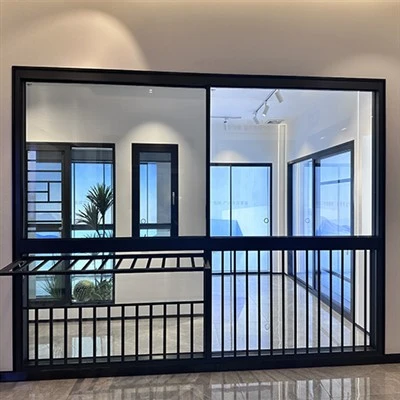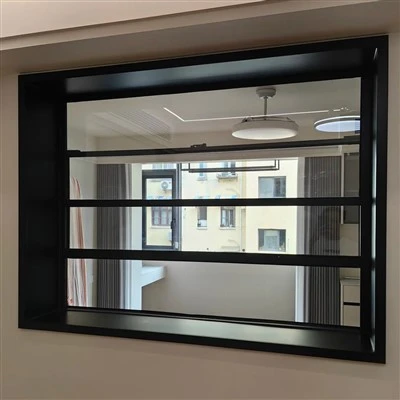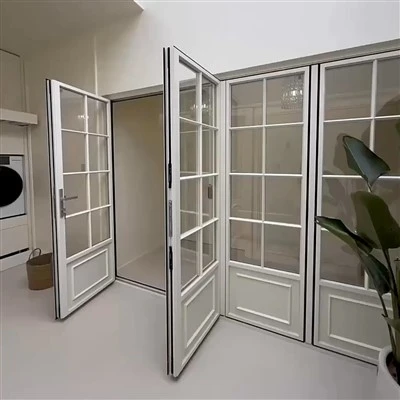




To understand a window, we need to break down its constituent parts:
* **Window Frame:** This serves as the window's skeleton; it is securely mounted within the wall opening and provides the primary structural support and anchorage. Its material, wall thickness, and structural design directly determine the window's overall stability and strength.
* **Window Sash:** This is the operable part of the window, comprising the glass and the sash frame. It is the component that moves when the window is opened or closed.
* **Glass:** This constitutes the main surface area of the window and is crucial for natural lighting, visibility, sound insulation, and thermal performance. Insulated glass units (IGUs) are commonly used today; these consist of two or more panes of glass separated by an aluminum spacer (containing desiccant) and filled with inert gas to effectively enhance performance.
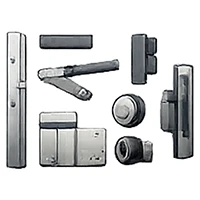
* **Hardware System:** These act as the window's "joints" and "muscles," encompassing components such as handles, transmission mechanisms, hinges, and locking points/keepers. The quality of the hardware directly dictates the smoothness of operation, the quality of the seal, and the window's service life.
* **Weatherstripping (Sealing Strips):** Installed in the gaps between the frame and sash, as well as between the glass and the profiles, these are typically made of rubber or silicone. Their function is to create a seal that prevents the infiltration of air, rainwater, and noise.